Search is becoming an answer, not a list
AI assistants and Google's AI Overviews often answer the question directly. Many searches now end without a single click to any website.

More customers now get answers from AI instead of a list of links. Here is what that shift means for your business, and what to do about it.
Search is becoming an answer, not a list
AI assistants and Google's AI Overviews often answer the question directly. Many searches now end without a single click to any website.
Authority beats keywords
AI engines cite sources they consider credible and clear. Depth, structure and a named author now matter more than keyword tricks.
Small businesses have a head start, for now
Most large companies already work on AI search visibility. Most small ones don't. Moving early is a real competitive edge.
For twenty years, being found online meant one thing: showing up on the first page of Google. Your customers typed a question, scanned ten blue links, clicked one, and every business learned to play that exact game.
That game is now changing in front of us. A growing share of your customers ask ChatGPT, Perplexity or Google's AI Overviews instead, and get a finished answer rather than a list of links. AI assisted search went from niche habit to roughly 40% of users in about a year, and McKinsey, the consultancy that advises most of the world's biggest companies on where to invest, expects hundreds of billions in revenue to be flowing through it by 2028. More and more purchases now close before anyone visits a website at all.
Which leaves one question. When AI answers your customers' questions, are you part of the answer?
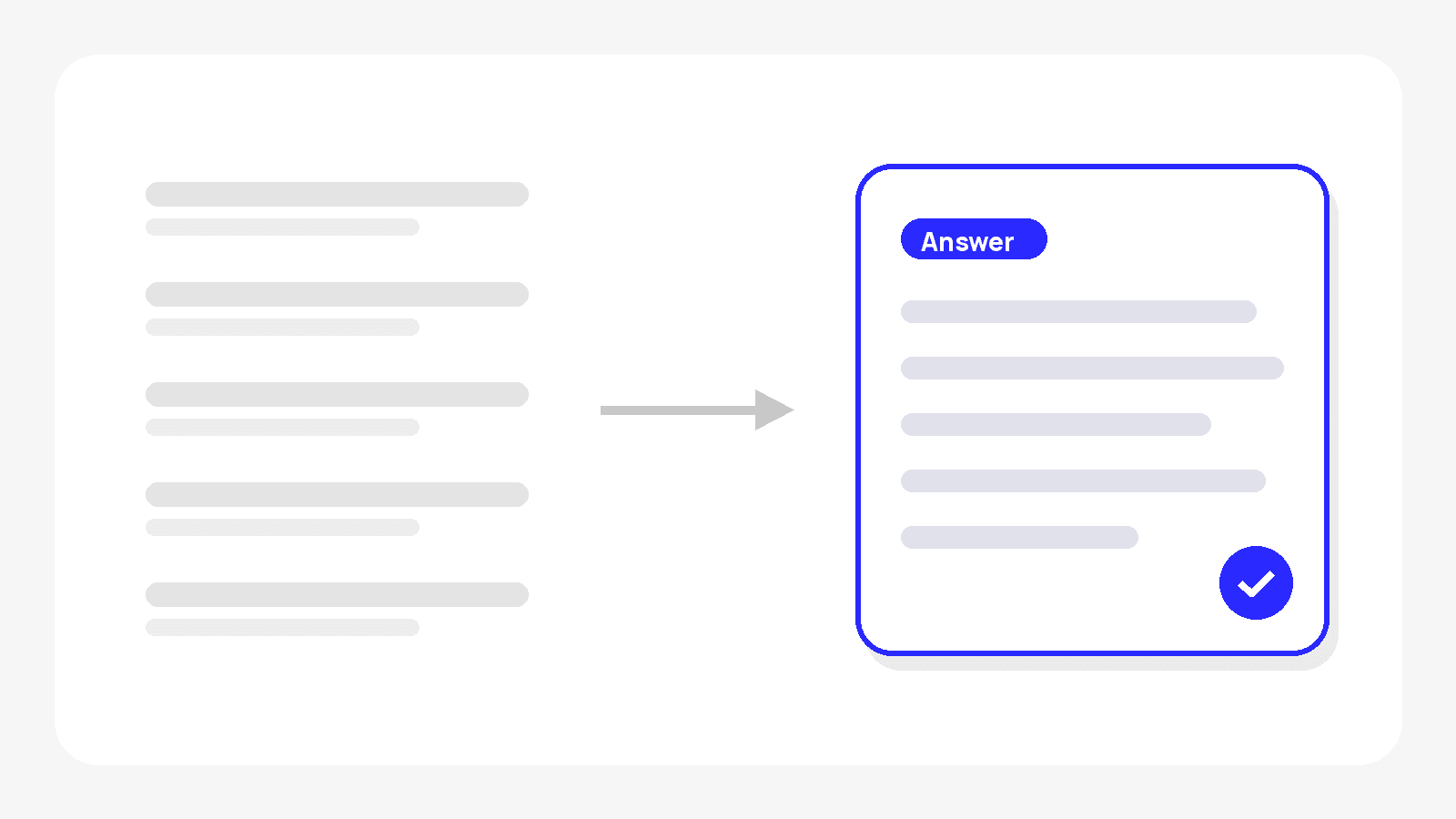
Traditional search ranked pages. AI search reads them, writes a single answer, and cites a handful of sources. Usually between two and seven.
Ask "best dental clinic for implants near me" or "how much does a heat pump installation cost" and the AI names a few businesses. Everyone else is invisible.
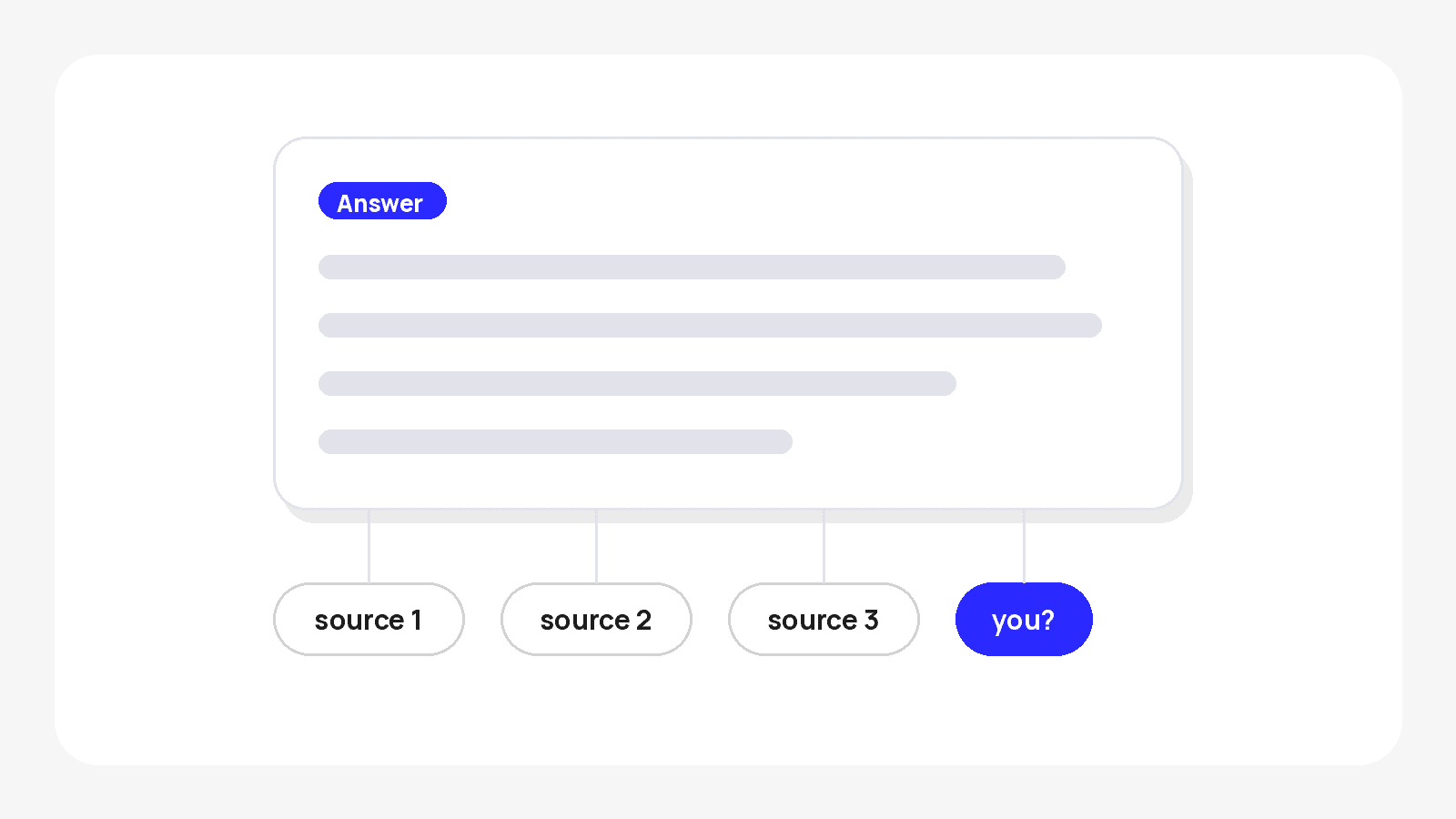
Marketers already gave the new game a name: GEO, short for Generative Engine Optimization. SEO fought for a position in a list. GEO fights for a place inside the answer itself.
The two are not enemies, though. Almost everything that convinces an AI engine to trust you also helps your classic Google ranking, so the same work pays twice.
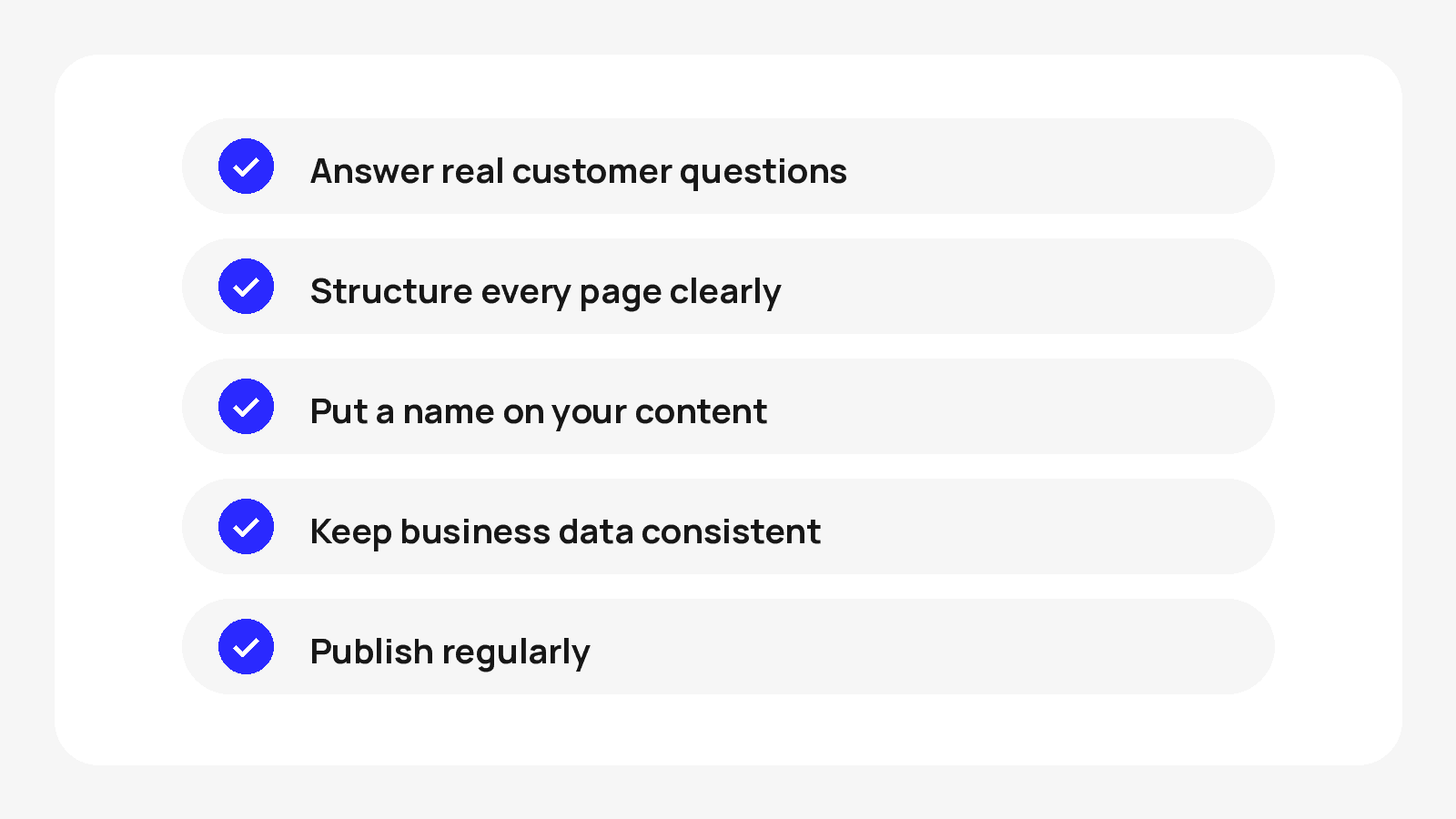
A year of studies, plus Google's own guidance on its AI features, points the same way. AI engines pull from sources that answer the whole question, with real numbers, steps and examples, not 300 words wrapped around a keyword. They favor pages a machine can quote cleanly, which in practice means descriptive headings, short paragraphs and sections that stand on their own. And they check who is talking: a named author, an about page that isn't an afterthought, consistent business details, reviews and mentions on other websites. Fast, technically clean pages help too, mostly by keeping all of that readable to a crawler.
Notice what's missing from all of that. Keyword density, exact match domains, the old tricks. AI search is, oddly, a return to fundamentals: whoever explains things best tends to win.
None of this needs a new department. It needs consistency, which is harder.
Clicks from classic search will probably keep falling across most industries, and that sounds worse than it is. Visitors who arrive from an AI answer come better informed and closer to a decision. Fewer visits, better visits.
The numbers worth watching are different now: brand mentions, citations inside AI answers, branded search volume, and how often "found you through ChatGPT" shows up in your inquiry forms. It sounds futuristic until the first time you see it in your own inbox.
Honestly, we think the traffic panic is aimed at the wrong target. Losing some clicks is survivable. Being absent from the answers is not.
Most big companies have already started working on this. Most small ones haven't. Strange as it sounds, that's good news for the small ones: right now, getting into AI answers is cheap, and most of your direct competitors aren't even trying yet. It won't stay that way. Once the playbook becomes obvious, big marketing teams will copy it fast, and the head start will be gone.
Not sure where your business currently stands in AI answers? Ask us. We'll check, and we'll tell you honestly.
Check out some of my favorite & most recent articles.
Discover design insights, project updates, and tips to elevate your work straight to your inbox.


Unsubscribe at any time.

Digitl
Full-service marketing for businesses
Fill out the form or reach out directly. We typically respond within one business day.
Created by

Digitl